How To Do Jump Squats
Jump Squats are a great way to build strength and power in your legs with no equipment at all! Consecutive reps can be tough but worth it for all of the benefits they reap.

Level/Difficulty: Intermediate To Advanced
Muscle Group(s): hips, legs, feet, core
Equipment: none
Exercise groups: Lower Body Exercises, Full Body Exercises, Lower Body Exercises, Core Strengthening Exercises, Upper Body Exercises, Posture Strengthening Exercises
Coaching Cues:
Core engaged, push feet into floor to jump; soften knees to absorb landing
Before starting:
Take your time if necessary as this exercise can be exerting.
Start by standing feet width apart. Engage your core.
Inhale as you squat down, bending your knees.
Quickly explode from the squat into a jump, extending your hips as you do so!
Land with soft knees, and attempt to perform consecutive reps to increase the heart rate and really work the legs.
RELATED EXERCISES
•
RELATED EXERCISES •

This Postural Restoration exercise helps to address an anterior pelvic tilt by using the deep abs, diaphragmatic breathing and the adductors for an overall improved posture. Deep breathing and reaching well with both arms works best to truly stretch the back and improve alignment.
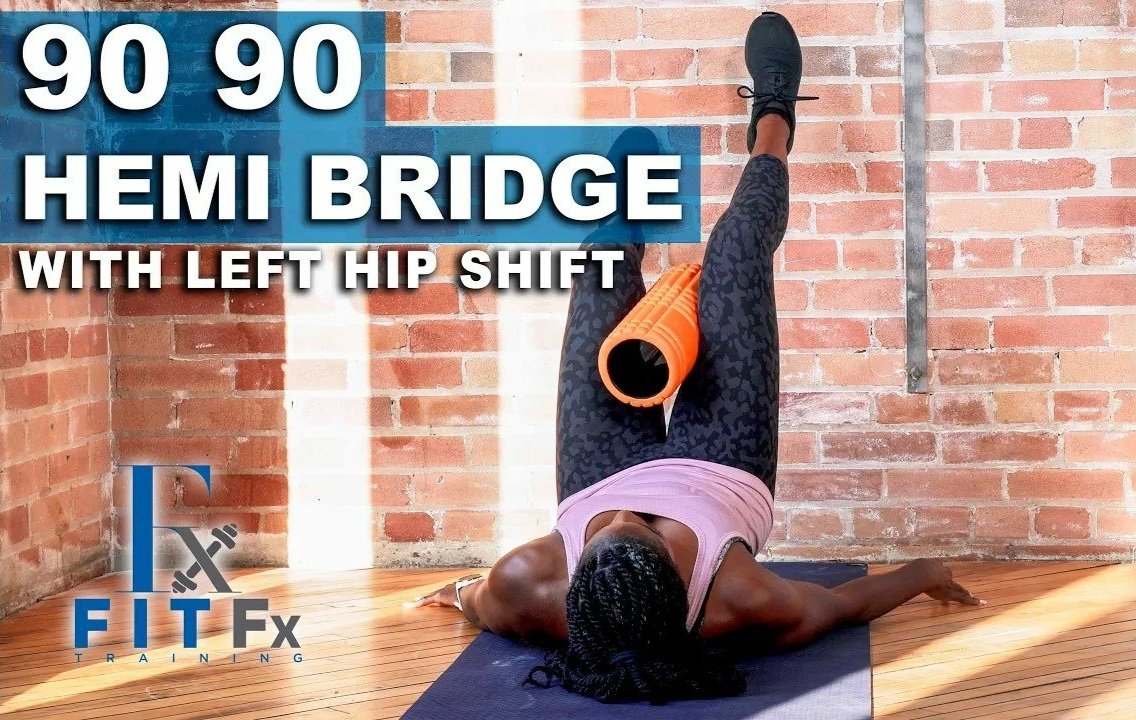
The 90-90 with hip shift stands out as a fundamental technique from the Postural Restoration Institute, aimed at realigning a forwardly rotated left hemi-pelvis. Featured in the Myokinematic Restoration manual among five repositioning methods, this technique specifically targets individuals exhibiting a classic Left AIC pattern. It's tailored to address the left hemi-pelvis exclusively and isn't typically recommended for those with a bilateral pelvis rotation seen in PEC individuals.
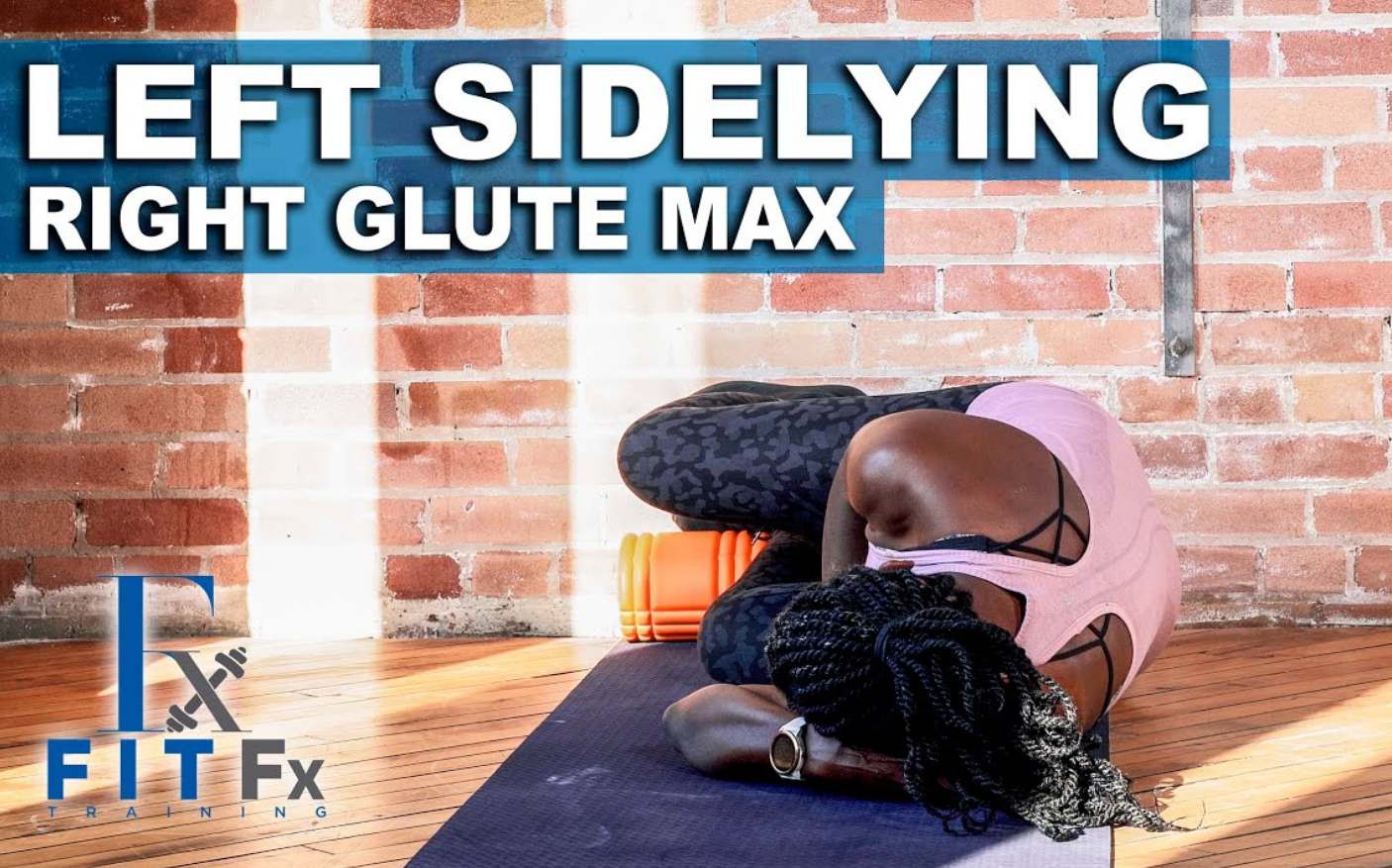
This exercise holds significance in stabilizing the pelvis, enhancing external rotation and glute strength, and contributing to overall alignment within the pelvic restoration program. The Left Sidelying Right Glute Max exercise is copyrighted by the Postural Restoration Institute® in 2020.

This exercise technique, accredited to the Postural Restoration Institute©, serves to realign a forwardly tilted left pelvis in conjunction with the left ribcage/obliques, within the left anterior interior chain pattern. It engages the left obliques, left anterior gluteus medius, left hamstrings, and the entire posterior body, offering a comprehensive stretch.

Improve pelvis, hip and femur alignment with the Right Sidelying Left Respiratory Adductor Pull Back exercise. This movement targets the left adductor, anterior glutes and left obliques, improving the left anterior inlet alignment.

Rockback Breathing serves as an excellent exercise to elongate your upper back, enhance overhead shoulder range of motion, and potentially alleviate neck pain.

Short Lever Side Bridges serve as an excellent means to strengthen your shoulders and core while potentially aiding in improving overall posture. This Side Plank variation, with a shorter lever, intensifies oblique engagement, fostering enhanced trunk stability and shoulder strength.

Supine Scissor Slides prove to be an excellent exercise that encourages natural hip movement, engaging the adductors, abs, hamstrings, and hip flexors. This enhances hip mobility and contributes to better posture.

The Wall Supported Single Arm Reach, an exercise from the Postural Restoration Institute®, serves as a method to stretch the back, activate the obliques, enhance rotation, and potentially contribute to better posture.

The Standing Wall Supported Reach, a technique from the Postural Restoration Institute®, aims to draw back the ribcage, enhance upper back flexibility, and foster improved alignment and breathing mechanics.